
 EN
EN



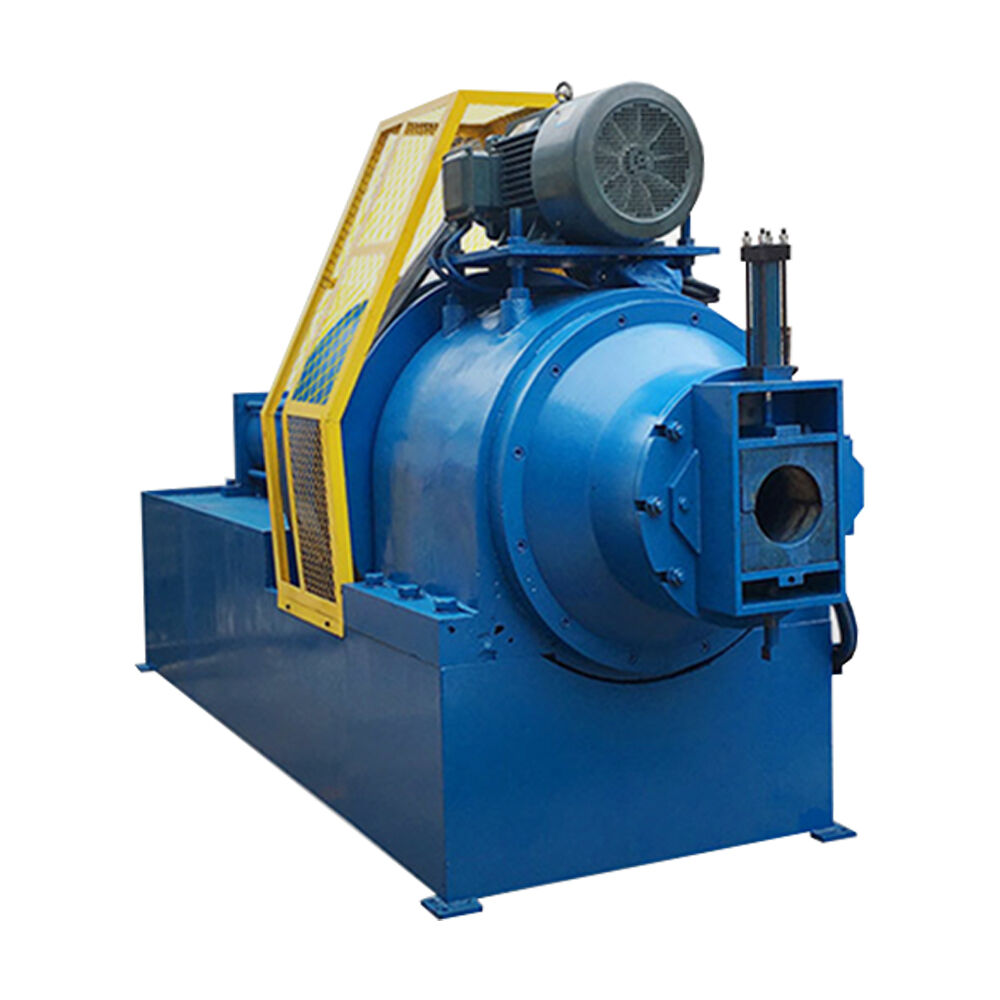
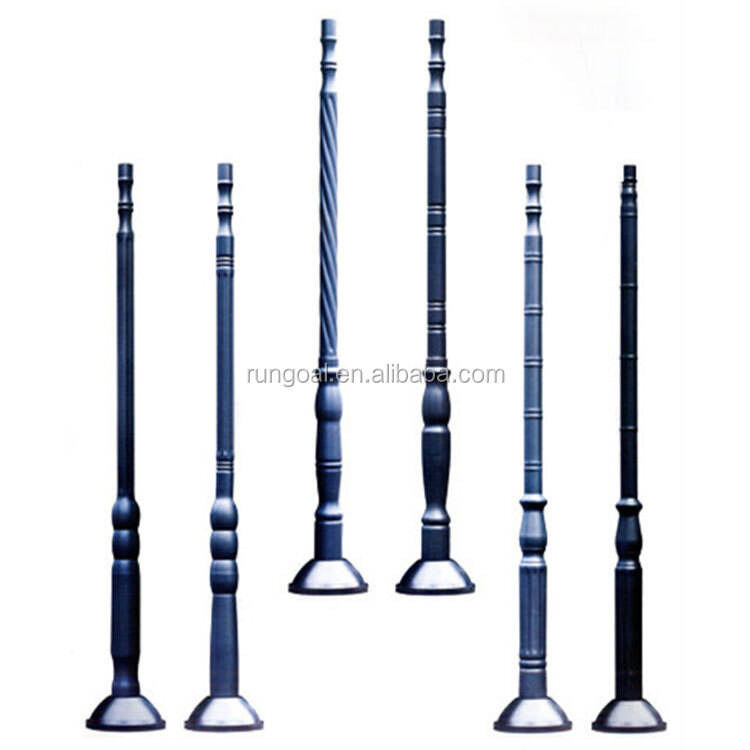
Core Lamp Post Manufacturing Equipment by Production Stage
Precision Cutting Systems: Laser vs. Trapezoid Shearing for Tapered and Straight Blanks
Getting started with blank preparation requires selecting equipment that fits both the part's shape and production volume. Laser cutting machines can achieve around 0.1mm accuracy when working on complicated tapered shapes, which helps cut down on material waste thanks to smart nesting programs. This matters a lot when dealing with expensive aluminum alloys where every scrap counts. Since lasers don't touch the material during cutting, they won't deform delicate thin walls or heat sensitive components, something that's really important for maintaining strength in lighting fixtures. When it comes to making thousands of straight poles though, trapezoid shearing is hard to beat. These machines can crank out up to 6,000 cuts per hour while costing about 40% less to operate compared to laser systems. Most manufacturers find themselves choosing between these options based on what their customers actually need. Lasers make sense when designs change frequently and precision matters most, whereas shearers shine when running long batches of standard parts.
Advanced Bending Solutions: CNC Press Brakes and Conical Forming for Geometric Accuracy
Modern CNC press brakes equipped with 12-axis control can hit angular tolerances as tight as 0.5 degrees, which means consistent curves from one production run to the next. The conical forming rolls on these machines adjust themselves automatically for tapers ranging up to 1:100 ratio, so there's no need for operators to manually set things up between different jobs. This cuts down changeover times by more than half in most cases. When it comes to lamp pole manufacturing specifically, this technology brings about a 30% reduction in springback compared to traditional methods. How? Through precise compression control and continuous thickness monitoring throughout the process. These features become especially important when working with aluminum alloys that tend to develop stress fractures during those big radius bends that are common in street lighting applications.
Seamless Welding & Post-Forming: Automated Longitudinal Welding and Multi-Axis Straightening
Longitudinal welders that are automated can keep seams within a tight 0.2mm tolerance throughout their entire 12 meter run thanks to thermal control systems that constantly monitor and adjust. The system includes ultrasonic testing equipment which spots tiny defects under the surface down to about half a millimeter in size right before applying powder coating. This means every single item gets checked without slowing down production. After welding is complete, there's a powerful 9 axis straightening mechanism capable of exerting forces as high as 150 tons to fix any bends larger than 3mm per meter. These corrections make sure everything meets those strict ANSI C136.10 standards for street lighting fixtures. Putting all these technologies together has actually reduced waste after manufacturing by around 22%, plus it ensures that big pole structures come out consistently accurate dimensionally from start to finish.
Key Selection Criteria for Lamp Post Manufacturing Equipment
Matching Equipment Capabilities to Pole Geometry, Material Thickness, and Batch Size
Choosing the right equipment needs to match actual production conditions, not just what's listed on paper specs. For tapered poles, we need conical forming systems that can handle changing diameters without stopping for tool changes. Straight poles call for machines that maintain stability and repeat bends consistently. The material thickness really matters when it comes to tonnage requirements. Steel over 6mm thick usually needs press brakes rated at least 500 tons to manage springback issues properly. Aluminum alloys tend to work better with servo electric systems that adjust force as needed during operation. When looking at batch sizes, small runs under about 100 pieces a month typically benefit from modular setups that allow quick switching between different jobs. But for larger volumes above 500 units monthly, dedicated production lines make more sense economically. Getting equipment wrong leads to problems down the line. Studies from metal fabrication shops in 2023 showed error rates jumping anywhere from 12% to nearly 18% when machines don't fit the job. Before starting any project, check if the machine's tolerance levels, like plus or minus half a degree for angles, meet the standards specified in those municipal lighting contracts.
Automation Level vs. ROI: When to Invest in Integrated CNC Pole Production Lines
The return on investment from automation really hinges on three main factors: how big the operation is, how complex the manufacturing process gets, and what kind of labor challenges exist. When companies install full integrated CNC production lines for poles, they typically see a significant jump in output volume somewhere between 40 to 60 percent. These systems also hit around 99.2% accuracy in dimensions, but let's face it, spending anywhere from $200k to $500k makes sense economically only when monthly production exceeds about 500 units. For those working with mid-sized runs of 150 to 400 units per month, semi-automated solutions offer something different. They cut down on manual labor costs by roughly 20 to 30%, provide quicker financial returns, and keep operators more involved in day-to-day operations rather than completely replacing them.
- Changeover reduction: Automated tool switching cuts downtime by 70%
- Energy efficiency: Smart servo-presses reduce kWh/unit by 15%
- Quality yield: CNC consistency lowers rework and field failure risk
For tapered pole production, automation pays strongest when handling complex geometries or high-strength alloys where manual error rates exceed 8%. Conduct a three-year break-even analysis factoring depreciation, maintenance, energy, and labor savings— not just headline throughput gains.
Future-Proofing Your Lamp Post Manufacturing Setup
Equipment that can adapt keeps businesses competitive when industry standards change and new materials come into play. Look at modular setups where parts can swap out easily and CNC controls get software updates regularly these let factories switch between making tapered poles and straight ones without having to replace entire production lines. When dealing with tapered poles in particular, go for conical forming modules that handle about plus or minus half a millimeter tolerance this works well with newer stuff like those strong aluminum magnesium alloys we're seeing more of lately. Machines connected to the internet have shown real results too. Some tests back in 2023 found that equipment with sensors monitoring thickness while shaping and welding cut down on wasted material by around 18%. Putting predictive maintenance sensors on stress points matters a lot too think hydraulic press cylinders or weld head bearings. Catching problems early adds years to machine life sometimes as much as 40% longer and stops unexpected breakdowns that mess up tight delivery schedules.
FAQ
What is the advantage of using laser cutting over trapezoid shearing?
Laser cutting offers higher precision and is ideal for complex and frequently changing designs, especially when working with expensive materials like aluminum alloys. It prevents material deformation, which maintains the integrity of thin walls or heat-sensitive components.
How do CNC press brakes improve lamp post manufacturing?
They offer advanced bending solutions with angular tolerances as tight as 0.5 degrees, reducing springback and improving geometric accuracy, especially important for large-radius bends in street lighting applications.
What role does automation play in lamp post production?
Automation increases production volume and accuracy while reducing labor costs. It's particularly beneficial for operations with high output requirements, such as those exceeding 500 units monthly, providing significant ROI when implemented in full CNC production lines.