
 EN
EN


Vertical Integration: Streamlining the Ground Screw Production Line from Billet to Bundle
Seamless Raw Material Sourcing and Pre-Processing for Uninterrupted Flow
When companies set up vertically integrated ground screw production lines, they basically take control of their own destiny regarding steel sourcing and billet prep instead of relying on outside suppliers. The benefits are pretty significant actually. Lead times drop around 15 percent compared to what happens with multiple vendors involved. Plus, the metal stays consistent from batch to batch which matters a lot for quality control. What makes these systems work so well is how automated processes handle billet cutting and surface treatments right before moving onto forming stations. This setup keeps inventory flowing smoothly without those annoying gaps where nothing gets produced. Material handling becomes much cleaner too, meaning less wasted time and energy spent moving things around. For manufacturers looking to scale up helical pile production, these efficiencies make all the difference in keeping operations running smoothly at higher volumes.
In-Line Material Traceability Systems Enabling Real-Time Quality Decisions
RFID tracking built into the automated screw anchor production line gives workers quick access to all those important material certifications and process details they need. Steel composition gets checked at various points during manufacturing, and when sensors detect anything off by more than half a percent, the system automatically makes corrections. What does this mean? Defects drop around 22%, because problems get fixed right away instead of waiting until later stages. For production managers, there are now real time dashboards that track quality across each batch. This speeds up the whole compliance paperwork process, which matters a lot when dealing with large volumes of screw piles coming off the line every day.
Precision Engineering Across Core Stages of the Ground Screw Production Line
Grade-Specific Steel Billet Certification and Microstructure Validation
Getting precision right starts right from the beginning with checking those steel billets properly. We run each one through spectrometry tests and also do ultrasonic checks to make sure the chemistry matches what we need for grades like ASTM A36 or S355JR. These specs matter a lot when it comes to how well the anchors resist corrosion over time. Looking at the microstructure is another key step. Metallographic analysis helps us see if the grain structure is consistent throughout, which stops those annoying stress fractures when things get loaded up. Our two step check system actually cuts down on material failures by around 18 percent. And don't forget about the hardness tests either. Those automated checks tell us exactly where the yield strength stands. All this careful checking forms the backbone of making reliable helical piles. Think about it - underground pressures can hit over 12,000 PSI in tough rock conditions, so getting the materials right from day one makes all the difference.
Cold-Forming Die Calibration and Torque-Consistent Thread Rolling
The quality of threads plays a major role in how efficiently screw piles can be installed. Modern manufacturing facilities use CNC controlled cold forming presses that get calibrated with lasers after approximately 48 hours of continuous operation. These calibrations keep the dies within tight tolerances around plus or minus 0.003 millimeters. When making threads with this level of accuracy, the pitch angles stay consistent throughout entire production runs which helps prevent unwanted soil movement when installing the piles. During the actual forming process, real time sensors monitor forces constantly adjusting settings as needed so the base of each thread maintains proper tensile strength. Compared to older manual methods, these automated systems cut down on thread deformation by about 22 percent. What's even better is that they deliver nearly identical results regardless of soil conditions, showing close to 98% consistency in pull out resistance tests across different ground types.
Automation, Inspection, and Compliance: Ensuring Speed Without Sacrificing Reliability
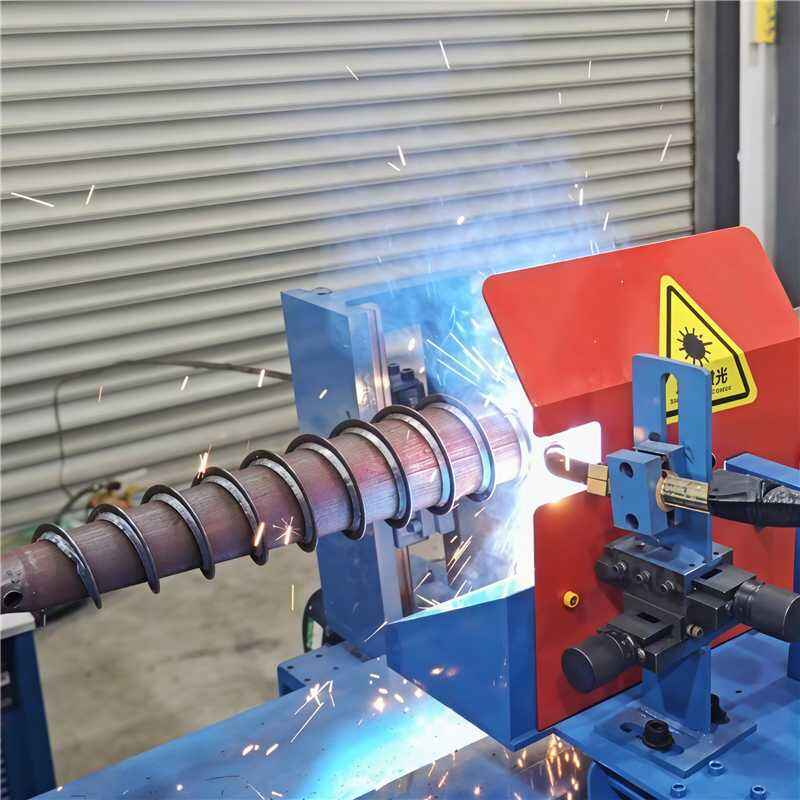
Today's ground screw manufacturing facilities have incorporated automation and inspection tech that speeds things up without sacrificing the strength of the final product. The robotic TIG welding stations come with infrared cameras that check how well those anchor collars are fused together as they're being made. These thermal sensors pick up tiny problems in welds by looking at heat patterns during the welding process. They spot issues before they become corrosion spots down the road, all while keeping production moving fast. And let's not forget about the paperwork side of things either. Automated systems keep track of every weld through detailed logs that follow ISO 14555:2018 requirements. This makes life much easier when auditors come knocking for compliance checks.
Concurrent OEE-driven optimization minimizes downtime across critical surface treatment stages. Below are key performance gains from automation:
| Metric | Manual Process | Automated System |
|---|---|---|
| Inspection Speed | 8–10 anchors/hour | 50+ anchors/hour |
| Defect Detection Rate | 86% (Industry Average) | >99.7% accuracy |
| Compliance Docs | Post-production | Real-time generation |
Screw anchor production lines work together seamlessly thanks to central control systems that manage everything from start to finish. Operators monitor real time OEE dashboards which keep tabs on how well machines are performing across three main areas: availability, performance levels, and product quality output. If certain treatment zones begin showing lower than normal usage numbers, smart systems automatically send maintenance teams to those spots before any actual breakdown happens. Research into factory automation shows something pretty remarkable actually - when companies implement proper quality checks throughout their operations, they often see production rates jump by around six times what they were before, all while defects drop significantly. This means manufacturers no longer have to choose between going fast or making reliable products, especially important for things like helical piles where structural integrity matters most.
Frequently Asked Questions (FAQ)
What is vertical integration in ground screw production?
Vertical integration in ground screw production refers to a company handling every stage of production in-house, from sourcing raw materials to the final product. This can result in reduced lead times and consistent product quality.
How does automation improve ground screw production?
Automation streamlines various aspects of production such as quality checks, material handling, and compliance documentation, enhancing efficiency and reducing defects.
What are the advantages of using RFID tracking in production?
RFID tracking allows for real-time monitoring of material certificates and manufacturing processes, helping in quick decision-making and reducing defects.
How are precision engineering techniques applied in ground screw production?
Precision engineering ensures chemical consistency and structural integrity through rigorous testing of steel billets and thread manufacturing, reducing material failures and installation issues.
What role does real-time quality tracking play?
Real-time quality tracking enables immediate corrections during production, reducing defects and ensuring compliance with standards like ISO 14555:2018.