
 EN
EN



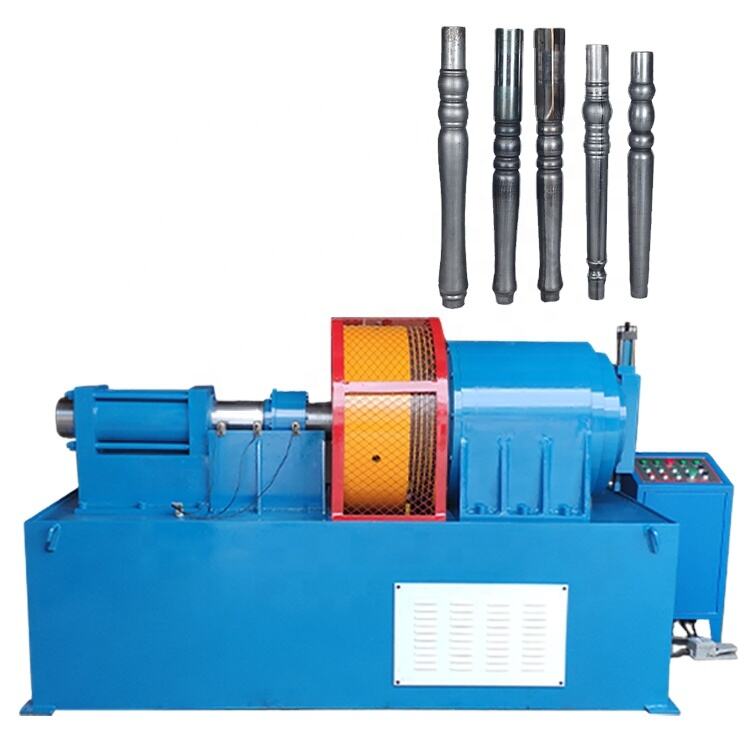
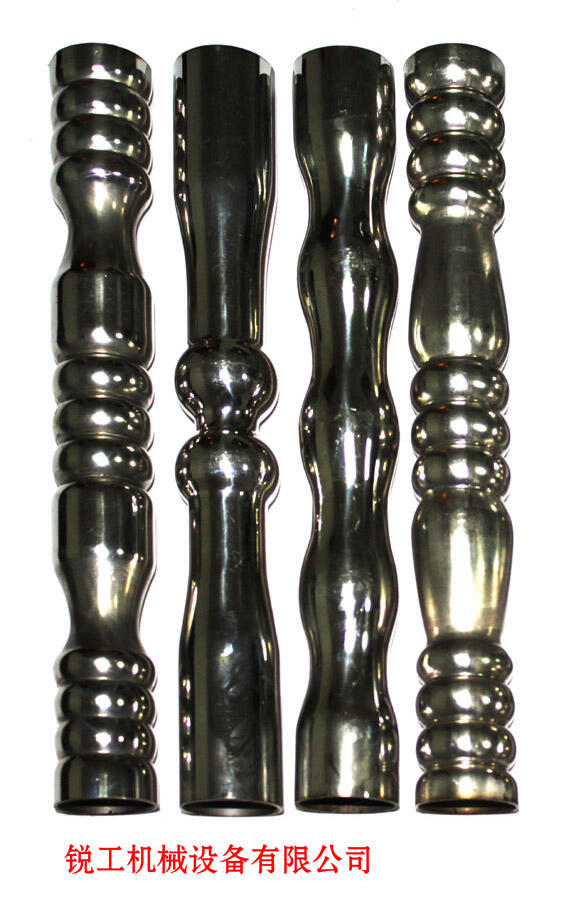
Tube Forming: Core Techniques and Process Selection for Furniture Applications
Roll Forming from Flat Strip: Precision, Speed, and Profile Flexibility
The process known as roll forming takes flat sheets of steel or aluminum and gradually bends them through multiple stations until they become uniform tube shapes. What makes this cold forming technique so valuable is its ability to maintain dimensional accuracy within about 0.1 mm, which matters a lot when assembling furniture where tight tolerances are needed. And it does all this while moving at impressive speeds over 60 meters per minute. Compared to extrusion techniques, roll forming stands out because it can handle odd shaped profiles like ovals, rectangles, or even completely custom designs without needing new tools each time. This means manufacturers can produce smaller quantities economically, something many designer furniture makers really appreciate. Plus there's another benefit worth mentioning: material waste drops around 12 percent compared to older methods since we don't need those pesky weld seams on parts that aren't structural anyway.
Welding Method Comparison: Why HFW Dominates Furniture Tube Production
When it comes to making furniture tubes, high frequency welding beats both TIG and laser methods because it balances speed with quality so much better. The process hits around 99.8% joint density while running at 40 meters per minute. That's roughly three times quicker than laser welding when quality is similar. Another big plus? The heat stays focused enough that those thin walls (between 0.8 and 2.0 mm) don't warp as much, which keeps the look nice on frames that customers actually see. Looking at what fabricators report, HFW cuts down on energy usage by about 30% compared to traditional arc welding techniques. Chair bases and other load-bearing parts benefit especially from HFW since the penetration depth remains pretty consistent across different materials. This means these components can handle repeated stress over time without failing unexpectedly.
Secondary Processing: Sizing, Cutting, and Joint-Ready Finishing
Precision Sizing and Length Cutting for Assembly Tolerance Control
Getting those tight tolerances down to plus or minus 0.005 inches means using CNC controlled rotary saws along with calibration systems after forming. These machines rely on laser measurements that constantly tweak the cutting settings as materials tend to spring back during processing, something really important for making frames that need to fit together without glue or fasteners. When running large batches, special servo driven flying cutters keep lengths within 0.1 mm across over 120 cuts per minute, which cuts down on all that tedious hand work that used to be necessary. The level of precision achieved here makes a big difference in structural integrity for things that actually hold weight, think about chair bases or shelves that need to support heavy loads without sagging over time.
Notching, Flattening, and Beveling for Structural Joints and Weld Prep
End-forming operations transform tubes into assembly-ready components:
- Notching: CNC punch units create interlocking joints for fastener-free connections in modular furniture
- Flattening: Hydraulic presses form 30 °–45 ° crimped ends to increase weld surface area
- Beveling: Automated grinders apply 37.5 ° edge profiles—optimizing weld penetration depth by 40%
These processes prevent joint failure in high-stress zones like chair legs and bed frames while reducing post-weld grinding labor. Robotic handling maintains orientation consistency during secondary operations to preserve cosmetic surfaces.
Material and Handling Strategy: Balancing Surface Integrity with Throughput
Steel vs. Aluminum: Impact on Forming Behavior, Finish Quality, and Cost
What materials we pick really affects how tubes get processed for furniture making. Steel has much better tensile strength but needs more force when shaping it, which means extra work compensating for springback after bending operations. Aluminum is about thirty percent lighter than steel, but working with it requires careful handling to prevent those annoying surface marks called galling during forming processes. When looking at finishes, aluminum takes anodizing treatments well and can show off bright colors, although it tends to show dents easier compared to steel. On the flip side, steel resists dents much better but comes with the downside of needing good corrosion protection measures. Talking about costs now, aluminum starts out more expensive by around forty to sixty percent for raw materials alone. However, because aluminum forms so nicely, sometimes this actually cuts down on additional processing steps later on in production.
Surface-Sensitive Conveyance and Orientation Systems for Scratch-Free Output
Keeping that nice finish intact after forming requires some special handling tricks. Nylon rollers that don't leave marks help avoid those tiny scratches when moving parts around. And magnetic systems work great for holding onto steel tubes without needing any clamps that might damage surfaces. When it comes to jobs where positioning matters a lot, like cutting notches, vision guided systems keep things aligned within about half a millimeter without actually touching the material. Putting all these together cuts down on having to fix finishes by roughly 70 percent, which means faster production times for companies making lots of metal furniture day in and day out.
Finishing Integration: Surface Prep and Coating for Performance and Aesthetics
Critical Pre-Coat Steps: Deburring, Degreasing, and Adhesion Assurance
Thorough surface preparation directly determines coating longevity and corrosion resistance in furniture tube processing. Contaminants like oils or micro-burrs compromise adhesion, leading to peeling or blistering under stress. Three non-negotiable steps ensure integrity:
- Deburring: Removes sharp edges from cutting/notching that could penetrate coatings
- Degreasing: Eliminates oils and residues using alkaline or solvent-based cleaners
- Adhesion Assurance: Achieved through abrasive blasting (e.g., 0.8–1.2 mil anchor profile) or chemical etching to create bonding surfaces
Skipping these stages causes 70% of coating failures, according to corrosion studies cited by the American Coatings Association.
Powder Coating Line Synchronization: Curing Uniformity and Furniture-Specific Durability
When conveyor speeds are properly synchronized with infrared curing zones, it helps maintain that consistent film thickness between 60 and 80 microns even on those tricky tube shapes. For furniture applications specifically, there are several special requirements. The coatings need to resist UV damage so they don't turn yellow when exposed to sunlight. They also require impact resistant catalysts that stand up to everyday bumps and knocks without chipping away. And since many furniture pieces use thin walled aluminum tubes, the process must work at lower temperatures to keep the metal's temper intact. Getting the oven temperature just right within plus or minus 5 degrees Celsius makes all the difference. If it gets too cool, the coating won't harden properly which affects durability. But crank it up too much and the material becomes brittle instead. These carefully controlled conditions actually make furniture last anywhere from three to five years longer than traditional liquid coatings would manage.
FAQ
What is roll forming and why is it important in furniture manufacturing?
Roll forming is a cold forming technique that transforms flat sheets of steel or aluminum into uniform tube shapes through multiple stations. It is crucial in furniture manufacturing due to its ability to maintain dimensional accuracy and speed, facilitating tight tolerances and reducing material waste.
How does high frequency welding (HFW) compare to other welding methods?
HFW is faster, more efficient, and energy-saving compared to TIG and laser methods. It excels by achieving around 99.8% joint density without warping thin walls, crucial for furniture tubes.
What role does material selection play in tube processing for furniture?
Material selection impacts forming behavior, finish quality, and cost. Steel offers strength but requires more force and corrosion protection. Aluminum is lighter with better anodizing characteristics but is initially more expensive.
Why is surface-sensitive conveyance important in furniture processing?
Surface-sensitive conveyance systems ensure scratch-free parts handling, thereby preserving the finish and reducing the need for post-processing, which accelerates production and maintains aesthetic appeal.
What are the critical pre-coat steps in surface prep?
Deburring, degreasing, and adhesion assurance are essential to prevent coating failures. These steps establish integrity in furniture tube processing by removing contaminants and creating optimal bonding surfaces.
Table of Contents
- Tube Forming: Core Techniques and Process Selection for Furniture Applications
- Secondary Processing: Sizing, Cutting, and Joint-Ready Finishing
- Material and Handling Strategy: Balancing Surface Integrity with Throughput
- Finishing Integration: Surface Prep and Coating for Performance and Aesthetics
-
FAQ
- What is roll forming and why is it important in furniture manufacturing?
- How does high frequency welding (HFW) compare to other welding methods?
- What role does material selection play in tube processing for furniture?
- Why is surface-sensitive conveyance important in furniture processing?
- What are the critical pre-coat steps in surface prep?