 ×
×
From a Manufacturer Who Builds These Lines Every Day
I’ve been in the tube forming equipment business for over a decade. One of the most common requests I get from customers—especially those planning to set up their own production—is this:
“What machines do I need to start making conical street light poles?”
If you’re asking the same thing, let me give you a straight answer—based on real factory experience, not theory.
Machines You Really Need
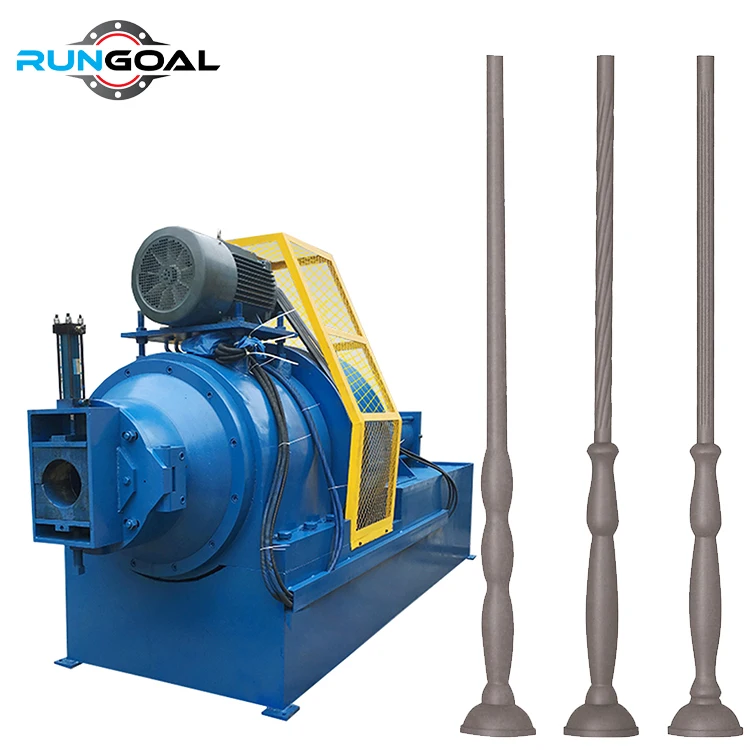
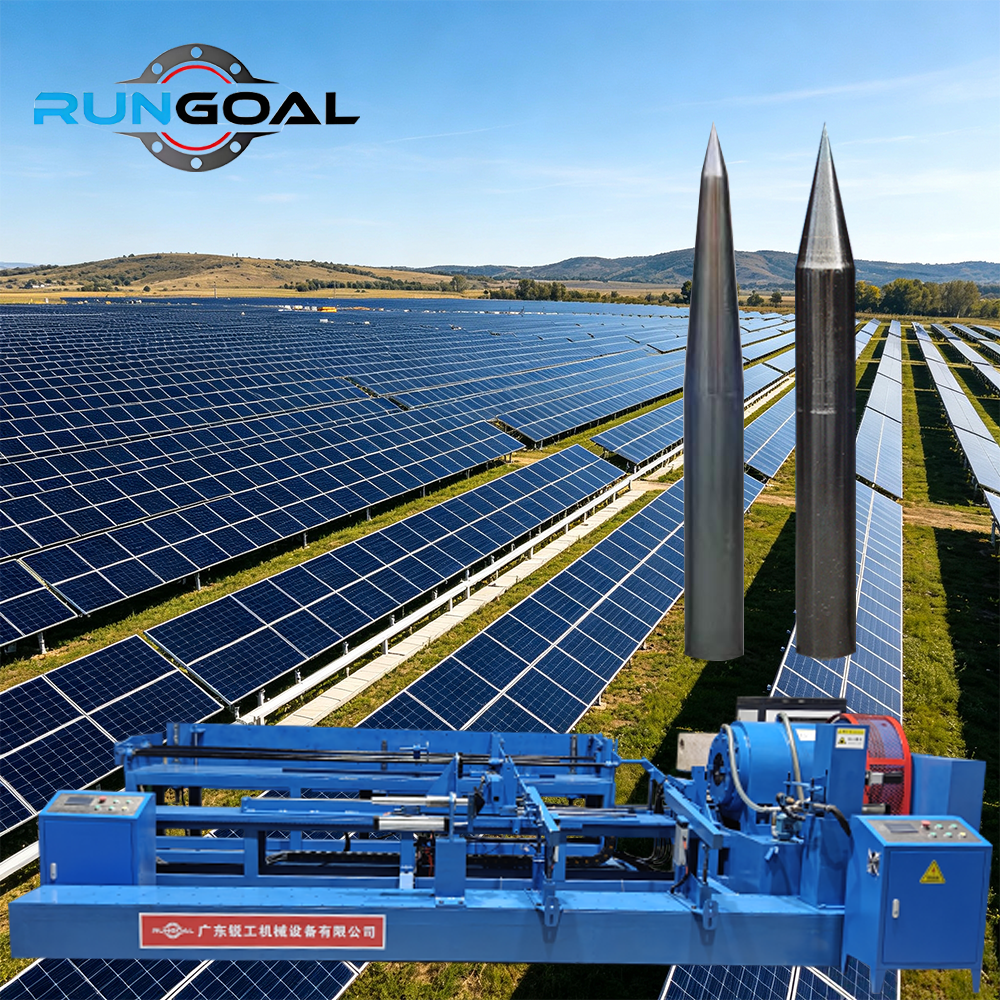
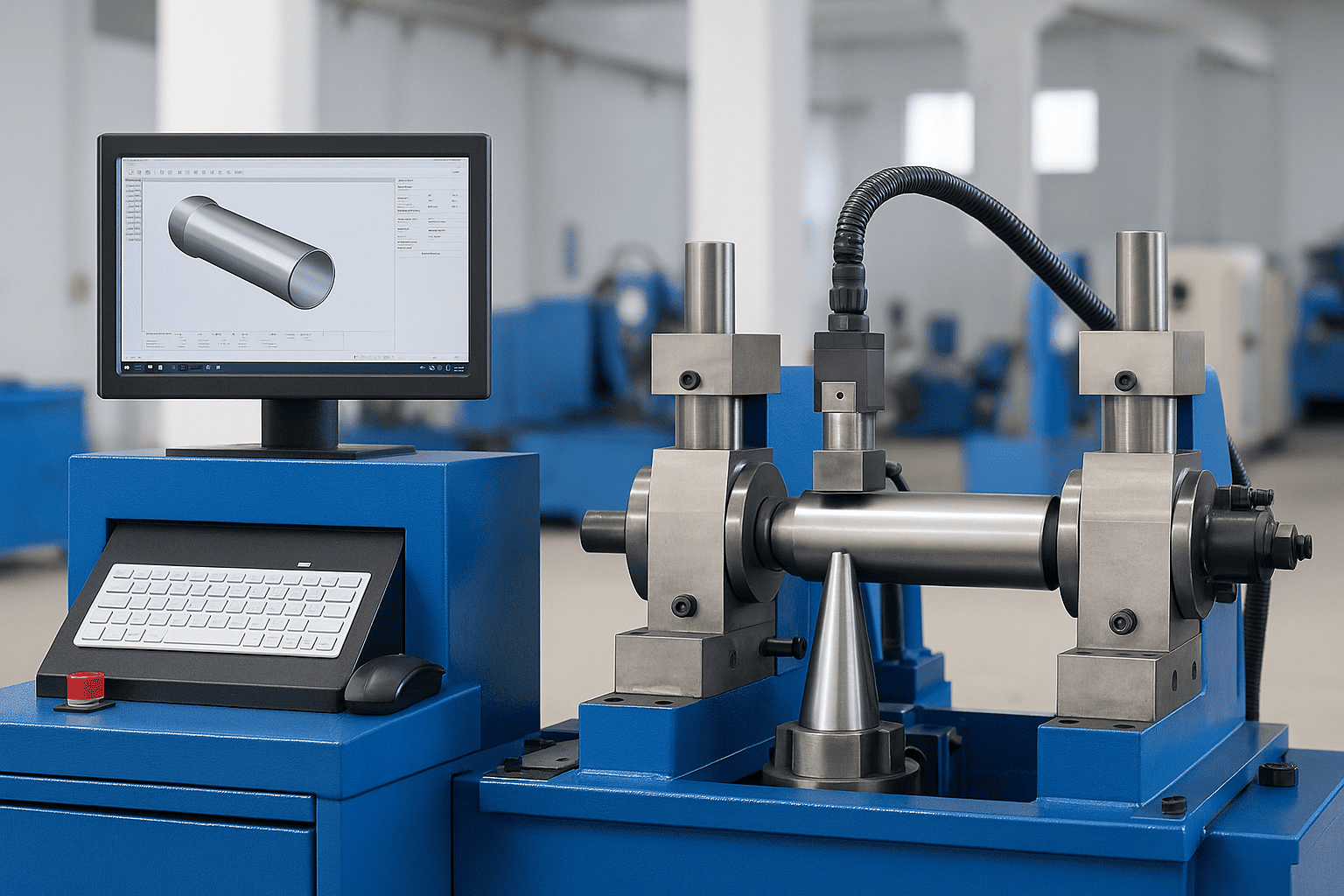
Let’s keep it practical. Here’s what a typical conical pole production line includes:
What the Production Flow Looks Like
Here’s how it runs in our customer factories:
Simple. Smooth. Reliable.
How Many Poles Can You Make Per Day?
That depends on how automated you want your line to be. For reference:
We’ve helped clients in Southeast Asia, the Middle East, and South America scale up their pole production like this.
Final Words from a Builder
There’s a big difference between buying machines and building a real, profitable production line. We’ve been helping customers make that leap for years.
If you’re planning to set up a line for conical light poles—tell us your target size, material, and output. We’ll help you design the right combination of machines, workflow, and layout.
Want our full planning guide?
Just reach out and ask for our “Conical Pole Production Line Manual” — I’d be happy to send it over.
 Hot News
2026-08-03
2026-07-27
2026-07-20
2026-07-13
2026-06-29
2026-06-15
RUNGOAL Machinery specializes in customized metal tube forming solutions for furniture, lighting poles, ground piles, and decorative tubing. With 18 years of expertise, we deliver high-performance machinery to clients globally. Discover our advanced CNC technology and end-to-end support from consultation to after-sales service.
No. 101, Building 1, District 2, Wanyang Zhongchuangcheng, No. 12 Industrial Avenue, Fuxi Industrial Park, Dasha Town, Sihui City,Guangdong Province,China.
Copyright © Guangdong Rungoal Machinery Equipment Co., Ltd Privacy Policy

 EN
EN